

Picture this: You just purchased your dream retirement home in a vibrant, sunlit neighborhood. You envision lazy summer afternoons by the community pool with your family, long holiday sleepovers, and precious memories you create under your own roof. Shortly after moving in, however, you open your Covenants, Conditions, and Restrictions (CC&Rs) document and discover a surprising clause: young visitors can only stay in your home for 30 days per calendar year.
Many retirees purchase age-restricted properties under the assumption that their loved ones can visit or stay indefinitely. In reality, strict HOA regulations and federal guidelines govern how long younger guests can reside in these neighborhoods. Uncovering these hard limits before you sign a purchase contract helps you avoid major heartbreak down the road. In this guide, we break down how guest policies work, why communities enforce them, and how you can find the perfect active adult neighborhood when evaluating Grandkids and 55+ Communities.

The Legal Framework Behind Grandkids and 55+ Communities
To understand why age-restricted neighborhoods enforce strict guest policies, you must look at federal housing legislation. Congress established the Housing for Older Persons Act (HOPA), which the U.S. Department of Housing and Urban Development (HUD) administers, to outline legal exemptions for senior housing. Under HUD Regulations 24 CFR Part 100 Subpart E, a housing property must ensure that at least 80% of its occupied units contain at least one resident who is 55 years of age or older.
When communities maintain this 80% threshold, federal law grants them a legal exemption from familial status discrimination claims under the Fair Housing Act. Consequently, HOAs must actively monitor occupant ages to protect their status. If an HOA allows adult children or minor relatives to live in homes indefinitely without tracking them, the community risks losing its HOPA exemption altogether.
Moreover, family dynamics across the country are shifting rapidly. According to data from the Pew Research Center, roughly 18% of the U.S. population now lives in multigenerational households—a quadrupling since the 1970s. Additionally, U.S. Census Bureau Reports highlight that grandparents own the homes where over 6 million children live nationwide. Because extended family cohabitation is growing rapidly, 55+ community boards proactively enforce visit limits to maintain their legal standing and preserve their adult-focused environment.
Typical Guest Policy Restrictions and Visit Caps
While federal law sets the overall 80% occupancy threshold, individual homeowners associations establish specific guest rules within their governing documents. Therefore, guest rules vary significantly from one neighborhood to another. However, most communities enforce several standard restrictions to prevent long-term stays:
- Annual Visit Limits: Most age-restricted communities cap the total number of days a minor (under age 18 or 19) can stay in a home. Typical limits range between 14, 30, or 60 days per calendar year.
- Consecutive-Day Restraints: HOAs frequently limit visits to no more than 14 consecutive days. Once a guest hits that threshold, they must leave the community for a specified period before returning.
- Adult Grandchild Regulations: Rules for relatives over 18 but under 55 often differ. Some HOAs classify them as general non-resident guests subject to annual visit caps, while others permit them to live as secondary occupants under strict community quotas.
- Mandatory Visitor Registration: Many gated and large-scale communities require homeowners to register overnight guests with the main office or security gate if visits exceed three to five days.
Furthermore, active adult HOAs enforce these policies quite diligently. HOA boards regularly review security gate logs, monitor vehicle parking permits, and respond to neighbor inquiries. Consequently, ignoring these rules can lead to formal notices, hefty financial fines, or legal action against the homeowner. Navigating the relationship between Grandkids and 55+ Communities requires a clear understanding of these local CC&R caps.
Navigating Amenity Access for Grandkids and 55+ Communities
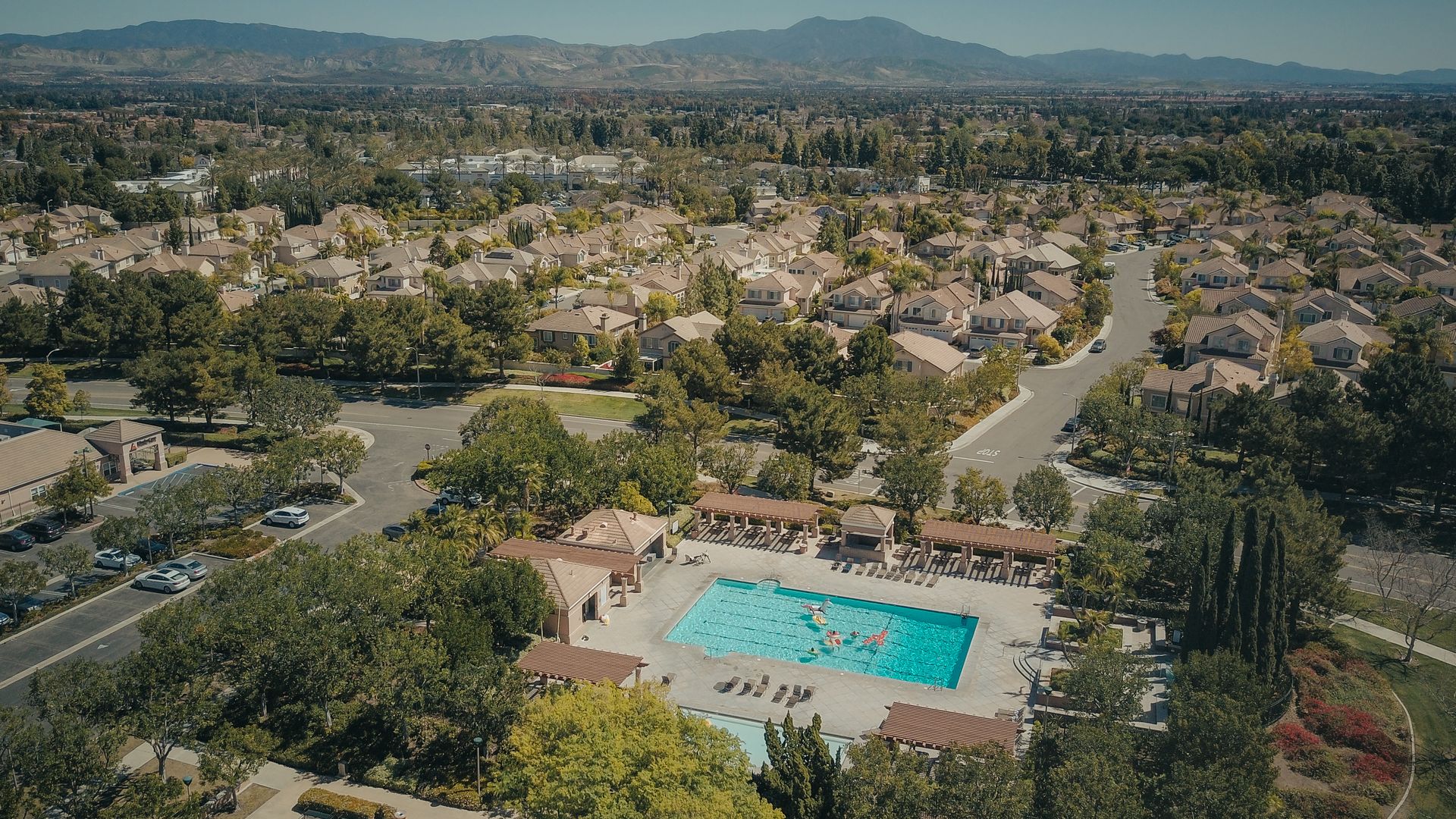
Guest policies extend far beyond your front door and into the neighborhood's shared facilities. While your extended family will certainly enjoy visiting, they must follow specific guidelines when using community amenities like swimming pools, tennis courts, and fitness centers.
According to the National Association of Realtors Profile of Home Buyers and Sellers, homebuyers over age 55 now represent over 50% of the market, with a median repeat buyer age of 62. These mature buyers heavily prioritize peaceful, resort-style amenities when choosing a neighborhood. To balance the desires of full-time residents with visiting family members, HOAs usually establish clear amenity guidelines:
- Designated Family Pool Hours: Communities often reserve lap pools and hot tubs for adults during peak morning and evening hours. They typically assign specific windows (such as 11:00 AM to 2:00 PM) for children and young guests.
- Age-Restricted Facilities: HOAs frequently restrict fitness centers, saunas, and billiards rooms to residents aged 18 or older due to insurance liability and safety concerns.
- Escort and Pass Mandates: Homeowners must accompany their young visitors to all shared facilities at all times. Additionally, some resorts require homeowners to purchase guest day passes for amenity use.
Understanding how Grandkids and 55+ Communities coexist within amenity rules ensures that your family visits remain joyful, relaxing, and conflict-free.

Partnering with Active Adult Real Estate
Moving into an age-qualified neighborhood offers an incredible lifestyle filled with social clubs, top-tier amenities, and low-maintenance living. However, buying a home in a community with overly restrictive rules can turn your retirement dream into a frustrating ordeal. You deserve a seamless transition into a home that welcomingly fits your family lifestyle. That is why you should partner with Active Adult Real Estate.
The team at Active Adult Real Estate brings decades of specialized experience to the mature homebuying market. Unlike generalist realtors who only look at square footage and listing prices, the experts at Active Adult Real Estate understand the fine print of 55+ community CC&Rs. They proactively review guest policies, HOA bylaws, and amenity guidelines before you ever write an offer, ensuring your new home aligns perfectly with how often you plan to host your family.
When you partner with Active Adult Real Estate, you gain access to an unparalleled network of active adult developments, deep local market insights, and dedicated advocates who put your long-term comfort first. Their deep industry knowledge helps buyers effortlessly locate neighborhoods that offer both luxurious amenities and flexible guest policies. Whether you want a golf course villa that accommodates frequent holiday visits or a quiet retreat near vibrant shopping centers, Active Adult Real Estate guides you through every step of the transaction with honesty, clarity, and skill.
Do not leave your retirement lifestyle to chance. Contact Active Adult Real Estate today to explore the finest 55+ communities and find a home that perfectly matches your lifestyle and family goals!
Reputable Data Sources Cited in This Article:
- U.S. Department of Housing and Urban Development (HUD): 24 CFR Part 100 Subpart E - Housing for Older Persons
- Pew Research Center: The Demographics of Multigenerational Households
- U.S. Census Bureau: Several Generations Under One Roof
- National Association of Realtors (NAR): Buyers 60+ by the Numbers
Contact Information
- Phone: (855) 55-ADULT
- Email: [email protected]
Check out this article next